

Key Takeaways:
- A transfer case is a crucial component in four-wheel drive vehicles, transferring power from the transmission to the front and rear axles.
- Understanding your vehicle’s powertrain configuration is essential before selecting a transfer case.
- Factors to consider when selecting a transfer case include gear ratios, shift type, and application.
- Transfer cases come in various types, such as part-time, full-time, electronic, and gear-driven, each with its own advantages.
- Regular maintenance, including fluid checks and visual inspections, is important to extend the lifespan of a transfer case.
- If you suspect a problem with your transfer case, have it inspected and repaired by a qualified mechanic to prevent further damage.
- Upgrading your transfer case can enhance off-road capabilities and aftermarket options are available for improved performance.
- Consider compatibility, performance requirements, and professional installation when replacing the factory transfer case.
The Basics of Transfer Cases
When it comes to four-wheel drive vehicles, the transfer case is an essential component that plays a crucial role in transferring power from the transmission to the front and rear axles. Whether you’re a seasoned off-road enthusiast or planning to venture off the beaten path for the first time, understanding the basics of transfer cases is vital before making a purchase decision.
What is a Transfer Case?
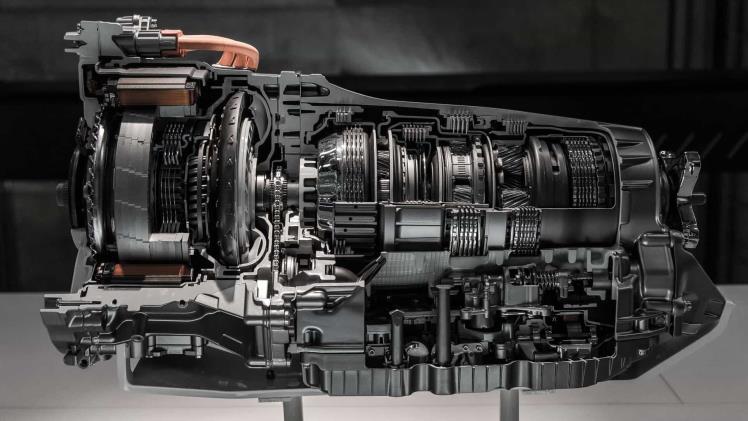
A transfer case is a gearbox that sits between the transmission and the front and rear axles in four-wheel drive and all-wheel drive vehicles. Its primary function is to split the power from the engine between both axles, allowing all wheels to receive torque simultaneously. This not only enhances traction but also ensures smoother operation and improved stability in challenging driving conditions.
How Does a Transfer Case Work?
Transfer cases come in different designs, but the essential working principle remains the same. Most transfer cases utilize a series of gears to send power to each axle. The input shaft delivers power from the transmission to the transfer case, which is then split into two outputs: one for the front axle and one for the rear axle. Some advanced transfer cases also incorporate additional features like differential locks or a low-range gear ratio for enhanced off-road capabilities.
Why Do You Need a Transfer Case?
A transfer case is a crucial component for vehicles that require four-wheel drive or all-wheel drive capabilities. It allows power from the engine to be distributed to all four wheels, ensuring maximum traction on challenging terrain, such as snow, mud, or rocky surfaces. Whether you’re tackling steep inclines, navigating through off-road trails, or simply need the extra pulling power for towing, a transfer case is essential to provide the necessary torque to each wheel, increasing overall performance and control.
Choosing the Right Transfer Case for Your Vehicle
Choosing the right transfer case for your vehicle involves considering several factors to ensure compatibility and optimal performance. Here are some key points to keep in mind:
Understanding Your Vehicle’s Powertrain
Before selecting a transfer case, it’s essential to have a clear understanding of your vehicle’s powertrain configuration. Different vehicles have different power distribution setups, such as full-time four-wheel drive, part-time four-wheel drive, or all-wheel drive. It’s crucial to determine whether your vehicle has a transfer case already installed or if you need to retrofit one.
Factors to Consider When Selecting a Transfer Case
Several factors come into play when choosing a transfer case, including gear ratios, shift type, and application. The gear ratio refers to the speed and torque capabilities of the transfer case. Consider the intended use of your vehicle and the terrain you plan to traverse. Opting for a lower gear ratio provides more torque at slower speeds, making it ideal for off-road enthusiasts. On the other hand, a higher gear ratio offers better highway speeds and fuel efficiency.
The shift type refers to how the transfer case engages or disengages from two-wheel drive to four-wheel drive. Manual shift transfer cases require the driver to physically engage the four-wheel drive, while electronic shift transfer cases enable seamless shifting with the push of a button.
When you decide to buy a transfer case, take into account the intended application, whether it’s for daily commuting or off-road adventures. Some transfer cases offer additional features like differential locks, which improve traction and handling on uneven surfaces.
Types of Transfer Cases and Their Advantages
Transfer cases come in various types, each with its own advantages and characteristics. Here are some common types:
– Part-time Transfer Case: This type of transfer case allows the driver to switch between two-wheel drive and four-wheel drive modes. It provides increased traction for off-road conditions and is typically more robust than other types.
– Full-time Transfer Case: Full-time transfer cases provide constant power to all four wheels, even on dry pavement. They are ideal for all-season driving and better road performance, as they distribute power automatically as needed.
– Electronic Transfer Case: These transfer cases feature electronic controls that allow for seamless shifting between two-wheel drive and four-wheel drive. They are convenient and user-friendly.
– Gear-Driven Transfer Case: Gear-driven transfer cases offer durability and reliability, making them suitable for heavy-duty applications and off-road adventures. They are less prone to failure and can handle high torque loads.
Common Problems and Maintenance Tips
Like any mechanical component, transfer cases are not immune to problems and require regular maintenance to ensure optimal performance and longevity. Here are some common signs of a failing transfer case:
Signs of a Failing Transfer Case
– Unusual noises: Grinding, whining, or clunking noises may indicate internal problems with the transfer case.
– Fluid leaks: Fluid leaks underneath the vehicle may indicate a cracked or damaged transfer case housing.
– Difficulty shifting: Issues with shifting between two-wheel drive and four-wheel drive modes may indicate a problem with the transfer case shift mechanism.
If you notice any of these signs, it’s important to address them promptly to avoid further damage. Regular maintenance can help extend the lifespan of your transfer case. Here are some maintenance tips:
Maintenance Tips to Extend the Lifespan of Your Transfer Case
– Regular fluid checks: Check the transfer case fluid regularly and replace it according to the manufacturer’s recommendations. Clean fluid helps lubricate the internal components and prevents excessive wear.
– Visual inspection: Periodically inspect the transfer case for any signs of leaks, damage, or loose components. Address any issues immediately to prevent further damage.
– Proper shifting: Shift between four-wheel drive and two-wheel drive modes according to the manufacturer’s guidelines. Incorrect shifting can cause unnecessary strain on the transfer case and other drivetrain components.
– Avoid excessive strain: Be mindful of the terrain and driving conditions to avoid putting excessive strain on the transfer case. Unnecessary stress can lead to premature wear and failure.
How to Identify and Repair Transfer Case Issues
If you suspect a problem with your transfer case, it’s crucial to have it inspected and repaired by a qualified mechanic. They can diagnose the issue and recommend the appropriate repairs, which may include replacing damaged components, repairing leaks, or adjusting the shift mechanism.
It’s important not to overlook transfer case issues, as neglecting them can lead to more severe drivability problems and further damage to the vehicle.
Upgrading Your Transfer Case for Improved Performance
If you’re an avid off-road enthusiast or simply looking to enhance your vehicle’s performance, upgrading your transfer case can offer significant benefits. Here are a few ways to achieve improved performance:
Enhancing Off-Road Capability with Upgraded Transfer Cases
Off-road enthusiasts often seek improved off-road capabilities to conquer challenging terrain. Upgrading to a transfer case with lower gear ratios can provide better torque at slower speeds, allowing your vehicle to crawl over obstacles effortlessly. Additionally, opt for transfer cases with differential locks to improve traction on uneven surfaces.
Aftermarket Transfer Case Options for Performance Boost
The aftermarket industry offers a wide range of transfer case options designed to enhance performance. Upgrading to a high-performance transfer case can provide better power delivery, improved shift quality, and increased durability. It’s essential to research and choose a reputable aftermarket brand that offers reliable and tested products.
Considerations for Replacing Your Factory Transfer Case
If you’re considering replacing your factory transfer case with an upgraded model, there are a few important factors to consider. Ensure that the new transfer case is compatible with your vehicle’s powertrain and meets your specific performance requirements. It’s also crucial to follow the manufacturer’s guidelines and consult with a professional mechanic to ensure a proper installation.
Upgrading your transfer case can significantly enhance your vehicle’s performance, but it’s essential to weigh the costs and benefits carefully and make an informed decision based on your specific needs.
FAQ
Question: What is a transfer case? – A transfer case is a gearbox that sits between the transmission and the front and rear axles in four-wheel drive and all-wheel drive vehicles. Its primary function is to split the power from the engine between both axles, allowing all wheels to receive torque simultaneously. This enhances traction and improves stability in challenging driving conditions.
Question: How does a transfer case work? – Transfer cases work by utilizing a series of gears to send power to each axle. The input shaft delivers power from the transmission to the transfer case, which is then split into two outputs: one for the front axle and one for the rear axle. Some advanced transfer cases also incorporate additional features like differential locks or a low-range gear ratio for enhanced off-road capabilities.
Question: Why do you need a transfer case? – A transfer case is necessary for vehicles that require four-wheel drive or all-wheel drive capabilities. It distributes power from the engine to all four wheels, ensuring maximum traction on challenging terrains such as snow, mud, or rocky surfaces. It provides the necessary torque to each wheel, increasing overall performance and control.
Question: What factors should I consider when selecting a transfer case? – When choosing a transfer case, consider factors such as gear ratios, shift type, and application. Gear ratios determine the speed and torque capabilities of the transfer case. The shift type refers to how the transfer case engages or disengages from two-wheel drive to four-wheel drive. Consider the intended application of your vehicle, whether it’s for daily commuting or off-road adventures. Some transfer cases offer additional features like differential locks, which improve traction and handling on uneven surfaces.
Question: What are the different types of transfer cases and their advantages? – Transfer cases come in various types, each with its own advantages. Part-time transfer cases allow the driver to switch between two-wheel drive and four-wheel drive modes, providing increased traction for off-road conditions. Full-time transfer cases provide constant power to all four wheels, even on dry pavement, making them suitable for all-season driving. Electronic transfer cases feature electronic controls for seamless shifting between two-wheel drive and four-wheel drive. Gear-driven transfer cases offer durability and reliability, making them ideal for heavy-duty applications and off-road adventures.
Question: How can I maintain my transfer case? – Regular maintenance is essential to ensure the optimal performance and longevity of your transfer case. Some maintenance tips include checking the fluid regularly, inspecting for leaks, damage, or loose components, following proper shifting guidelines, and avoiding excessive strain on the transfer case.
Question: How do I identify and repair transfer case issues? – If you suspect a problem with your transfer case, it’s crucial to have it inspected and repaired by a qualified mechanic. They can diagnose the issue and recommend the appropriate repairs, which may include replacing damaged components, repairing leaks, or adjusting the shift mechanism. Neglecting transfer case issues can lead to more severe drivability problems and further damage to your vehicle.
Question: How can I upgrade my transfer case for improved performance? – If you’re looking to enhance your vehicle’s performance, upgrading your transfer case can offer significant benefits. You can enhance off-road capability by upgrading to a transfer case with lower gear ratios or differential locks. Aftermarket options also provide performance boosts, such as better power delivery, improved shift quality, and increased durability. When replacing your factory transfer case, ensure compatibility with your vehicle’s powertrain, meet your performance requirements, and consult with a professional mechanic for a proper installation.
